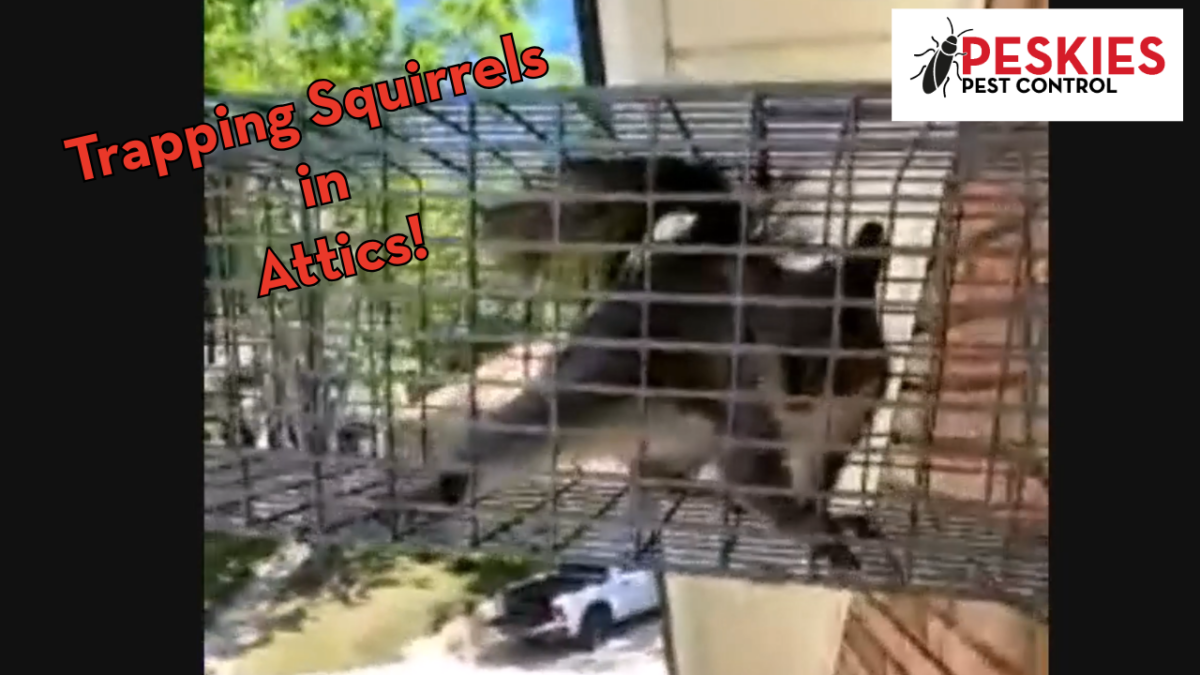
Squirrels may look cute from a distance, but when they decide your attic is their new home, they become destructive pests. In our latest live field inspection, Michael Wienecke took us on a tour of a Birmingham-area property where we successfully trapped a persistent squirrel. Along with Travis McGowin, we discussed how these rodents get in, why they stay, and how to keep them out for good.
How Squirrels Turn Your Home Into a Ladder
During the inspection, Michael demonstrated that squirrels are world-class climbers. They don’t just use trees; they use your home’s architecture to their advantage:
Brick and Mortar: Standard brick surfaces act as a “ladder” for squirrels, allowing them to climb straight up to your roofline.
Gable Vents: These are a primary entry point. On this specific property, squirrels chewed through the wood of the gable vent to create a hole large enough to enter the attic.
Chimneys: Proximity to chimneys and decks provides an easy “hop” point for rodents to access the main roof.
Overhanging Trees: Squirrels are fearless jumpers and can easily leap 6 to 10 feet from a branch to your roof.
The Danger of Rodent Damage
Once inside, the damage is more than just cosmetic. Squirrels have sharp claws and teeth that never stop growing, which drives their instinct to gnaw.
Chewing Through Materials: They can easily destroy wood and fine mesh “bat screens” to gain entry.
Internal Destruction: If a squirrel is accidentally sealed inside an attic, it may chew through sheetrock to reach the living space of the home, causing thousands in damage.
Our Live Trapping Process
We don’t just set a trap and leave. Our process is strategic to ensure the home is cleared safely:
The One-Way Door: We use a specialized one-way door trap. This allows the squirrel to exit the attic into the cage but prevents it from re-entering the home.
Strategic Mounting: Michael highlighted the importance of a stable trap. If the cage is shaky, a squirrel will be too spooked to enter. We often use custom mechanical leverage to keep the trap secure against the house.
The Transfer: Once caught, we carefully transfer the squirrel to a secondary cage so the main trap can remain in place to catch any remaining rodents.
Safety First: Tips for Homeowners
If you are attempting to inspect your own roofline, keep these professional safety tips in mind:
The Three-Point Rule: Always maintain three points of contact on a ladder (two feet and one hand, or two hands and one foot).
Lock In: If working at height, professionals often “lock” their leg into the ladder for extra stability.
Protective Gear: Always wear a respirator in an attic to avoid breathing in dust, insulation fibers, or animal droppings.
Professional Handling: Never handle a wild squirrel with bare hands. They are fast, strong, and their bite can be severe.
What’s Next? The Two-Week Rule
Removing one squirrel is rarely the end of the story. We typically recommend two weeks of monitoring with no noise and no new catches before we fully seal the entry points. This ensures no animals are trapped inside to cause further damage.
Need Help with a Rodent Problem?
If you’re in the Birmingham (205-470-8161) area and suspect you have a furry intruder, give Peskies Pest Control a call. We offer a 100% satisfaction guarantee—you’ll be happy with our work, or you won’t pay a penny!