Podcast: Play in new window | Download
Subscribe: RSS
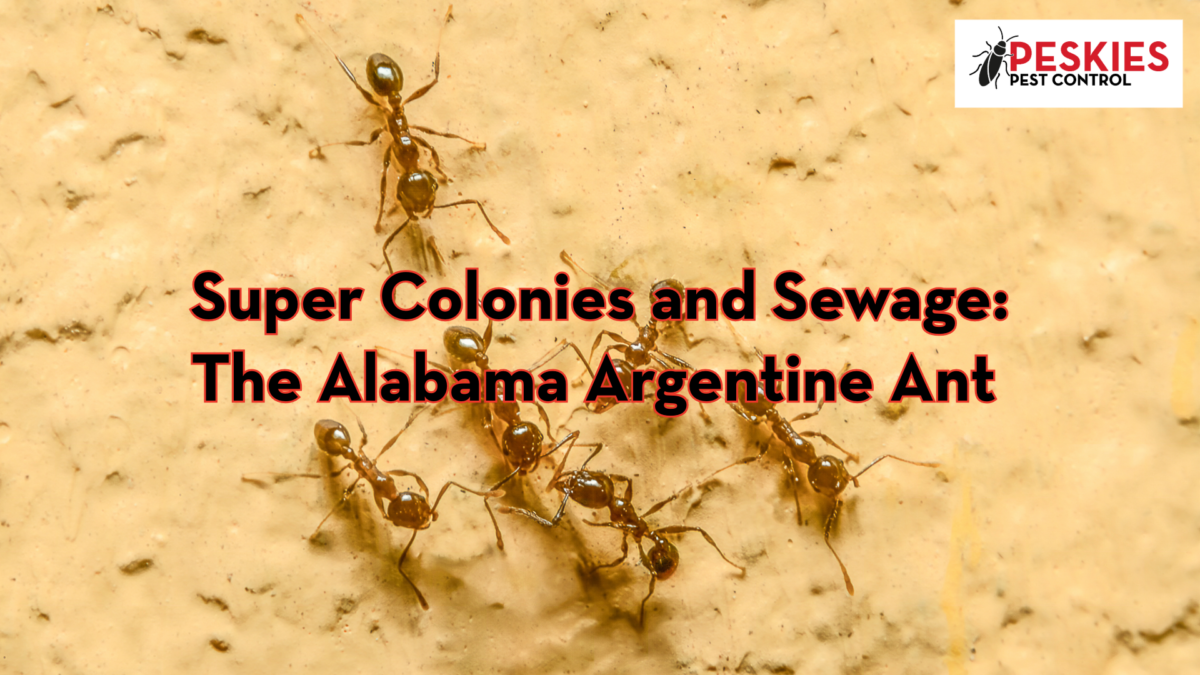
In this episode of the Peskies Pest Control Podcast, hosts Michael Wienecke and Travis McGowin dive into the gritty details of what they call the “nastiest, grossest ant in Alabama”—the Argentine ant. The duo explores the unique biological traits of these invasive pests, such as their monomorphic size and their tendency to form massive supercolonies that can span thousands of miles. Beyond just being a nuisance, the hosts highlight the genuine health risks these ants pose as they travel from damp areas like sewage and stagnant water directly into home pantries, potentially spreading diseases like E. coli, salmonella and dysentery. From the “musty odor” they emit when squished to practical “ounce of prevention” tips for sealing up your home, this episode provides a comprehensive guide to identifying and controlling one of the most prolific pests in the South.
Podcast Transcript:
Michael Wienecke 0:00
Hey. So here on the Peskies Pest Control Podcast, we are going to talk about the nastiest, grossest ant in Alabama, and that is the Argentine ant. It is. It’s gross. It crawls over sewage and poop and gets in people’s food sometimes, and it just causes dysentery,
Travis McGowin 0:18
among many other things. I’m sure there’s probably some E coli, salmonella and all that in there too.
Michael Wienecke 0:26
Look, dysentery is just it reminds me of, like, Oregon Trail. Remember that game Oregon Trail? It’s like, what’d you die from dysentery?
Travis McGowin 0:34
I think everybody died from dysentery on that game, if I’m not mistaken. It’s a very common theme, apparently. But anyway, no, the Argentine ant definitely, definitely, a very prolific ant in terms of size, colony size and whatnot that, you know, originally came around from Argentina and basically South America, very large area of South America, and was very likely introduced, you know, because of world trade shipping and trade routes and that sort of thing, like most of our very invasive pests are introduced to other countries.
Michael Wienecke 1:09
It’s crazy to me how most rats, bugs, you know, other animals, have gone over from shipping. I mean, shipping has just transported so many different species of animals from one continent to another, absolutely.
Travis McGowin 1:26
I mean, when you consider, you know, pests in general, and the problems that they’ve caused throughout history, and then, you know, we all want to be interconnected and trade and and all these things. But, I mean, it does come with its consequences. You know, it’s, it is one caveat to being a more, I guess, unified world in that sense, nature, nature. So, you know, tell us a little bit about some of the physical characteristics of the Argentine ant.
Michael Wienecke 1:59
So really, it’s brown, light brown, kind of blackish colored. You know, really, biggest thing is you’re going to find them around the the outside of your structure, your house, leave debris, large stacks of wood. We always kind of joke about Argentine ants, because they are just they wreak havoc once you find a nest. I mean, they just come in Super colonies and just come out of the woodwork.
Travis McGowin 2:27
RIght, and then when you squish them, they stink,
Michael Wienecke 2:30
Yes, the musty odor, yes. They do a bit when you when you stink them, or when you squish them, they do stink, yes.
Travis McGowin 2:35
And unlike some, you know, some ant colonies out there can be what we we call polymorphic, but Argentine ants are monomorphic, so typically they are all one size in when you look at them.
Michael Wienecke 2:51
Well, and that sounds really boring, but we’re trying to do an inspection, knowing if they’re poly or mono is very important, because that gives that leads us to what type of ant we have, whether a carpenter ant, Argentine ant, fire ant, Pharaoh ant, you know, kind of going over all the ants.
Travis McGowin 3:10
Right, and you know, Argentine ants are known to have very large colony sizes, so, and when you consider that approximately 90% of the colony are workers. I mean, they get things done, and they get it done in a hurry. So, you know, from the time that they’re an egg to the time that they’re an adult is roughly around 100 days, give or take, depending upon, obviously, the colony and weather and all that sort of thing. But by spring, they’ve got this very large build up of colonies, or excuse me, colony members, you know, and so, I mean, there’s, there’s even a documented case over in Europe of a colony Spain, one colony ultimately spanning 3700 miles.
Michael Wienecke 3:56
That is a long way. I believe it was, what Italy to what does it say Spain?
Travis McGowin 4:03
I don’t remember exactly, but it was, it was a very, very long way for one ant colony to have spread.
Michael Wienecke 4:11
Yeah, that’s wild. They Well, I mean, in a super colony over winter, or colonize over winters to survive, and then in the summertime, they just, they explode.
Travis McGowin 4:19
Right, absolutely. So, you know, when they’re out and about foraging around, they do prefer sugars, especially like honeydew or sweets. They you know, ants are funny. Most all types of ants can kind of transition and switch their foraging behaviors over based upon, you know, the time of year that it is. So they may go from sweets to proteins and back and forth or what have you, but the primary diet of these ants is something sweet, and when they run out of honeydew, what do they come for?
Michael Wienecke 4:53
Well, honeydew, honeydew and aphids, they’re coming for any kind of sweet, sticky liquid or sugary, you know. A sweet what do we all eat in the summertime and, you know, all that, so, cookies, cakes, all that kind of stuff.
Travis McGowin 5:05
Yeah, so they’re coming for your sweets. Yes, yeah, yes. And you know, they like moisture as well. So, you know that’s the problem with them, though. You know they’re looking for these moist, damp areas. Well, what areas are moist and damp? You’re talking about areas with sewage, stagnant water, areas those types of things. And like we said at the beginning, you’re talking about the high potential that these insects can cause you and your family to be sick, because everything they touch with their legs, that they crawl across, and then they come and they invade and infest your pantry or wherever it is, inside your house and your your surfaces, your countertops, things like that. Everything that they’ve touched before they got to that point is fair game to be placed down on everything that you have.
Michael Wienecke 5:55
Well, what’s the amount of sewage that you let in your food? What’s the what’s the percentage that you’re okay with.
Travis McGowin 6:01
I would hope my percentage is, can you get a negative percentage? You know, but no, 0% 0% is what I want,
Michael Wienecke 6:12
Yeah and again, like I said, they’re nasty. They just blow up in the summer or the springtime. And we’re seeing a lot of calls right now on these ants, and they are a booger to control, because just like Travis said, we’ve got 10% queens, we’ve got 90% workers. Well, 10% doesn’t seem like a lot, but in a colony, 10% is a lot, so we have to kill those queens, to kill that colony.
Travis McGowin 6:36
Well, you know, and that their their activity, their influx of activity, you know, comes and goes. A lot of it depends on what’s going on around the outside in their world, whether it’s extremely wet or extremely dry. That can push these ants to, you know, increase their activity. One of the big things though, that homeowners can do to help themselves, you know, obviously, there’s pesticides and different things that you can use, but sealing off access points is great. These ants like to run up and down. Utility lines, service entries, plumbing, things that go inside the wall of your house, you know, HVAC lines, those sorts of things. Sealing up those things. You know, anyone who’s listened to us for any length of time, has heard me say this multiple times, like, an ounce of prevention is worth a pound of cure, right? Just doing those little things,
Michael Wienecke 7:27
I think I’m gonna get you a t shirt with that on there.
Travis McGowin 7:30
And get it on the wall behind me.
Michael Wienecke 7:32
Brodie asked me that the other day and I was like, I don’t know, a pound of cure.
Travis McGowin 7:37
You totally. You butchered it, didn’t you? You butchered my saying,
Michael Wienecke 7:41
I It’s not mine, it’s not mine. All to you.
Travis McGowin 7:43
Yeah, but, but anyway, helping yourself out just a little bit like that, a lot of times, will solve some of your problems. Now, granted, they are ants, and they can kind of fit into any small gap they want to. And I’m convinced that if all ants pulled their resources together, they could take over the world. But along the way, they could, they could, they’re very strong. But, yeah, an ounce of prevention is totally worth a pound of cure in some of these situations.
Michael Wienecke 8:09
Well, and sealing up your house is great too, but I know we’ve talked about too is, is the the environmental factors around the home, major water sources that are going to draw these guys in? I mean, even sealing up a home, just like Travis said, you know, your home has to breathe, so you can’t seal every inch of it, or it would just mold and fall apart. So getting rid of the firewood, like I talked about the you know, everybody’s kind of cleaning up their yard right now, raking all that old pine straw out, which is no fun, and it makes it more expensive, but it’s kind of important on a pest control level, because you’re getting all that nasty gunk out of that those beds right next to your house, and you’re kind of starting over fresh and giving it a fresh environment. So just things of that nature can, can stop ants, you know, in their tracks, or having a nesting site.
Travis McGowin 8:57
Yeah, and they are notorious for nesting in things like potted plants.
Michael Wienecke 9:01
Oh yeah, and eight inches deep, I mean, rocks, potted plants along the driveways. And, you know, they’re, they’re really not so much of a stinging, or, you know, biting nuisance. They’re just, they’re just a lot of them.
Travis McGowin 9:15
Yeah, they’re large colonies, very invasive. And just Can, can make you and your family sick. So definitely not this with dysentery because we’re on the Oregon Trail, but definitely not something that you want running around your property.