When homeowners think about pest control, they usually picture sprays, traps, or sealing entry doors. Rarely do they look down at the ground beneath their foundation. Yet one of the biggest drivers of chronic pest infestations is sitting right under the floorboards: excess water and poor drainage.
In a recent episode of the podcast, hosts Michael Wienecke and Travis McGowin sat down to discuss the real-world consequences of lot grading, moisture buildup, and how managing water is often your first and best defense against destructive pests.
The Modern Building Problem: Squeezing Homes onto Steep Slopes
Building trends over the past few decades have shifted dramatically. With lot availability tightening, developers are increasingly constructing houses on unusual grades, steep slopes, and tighter parcels.
As Travis pointed out, builders frequently construct homes on stair-stepped lots without fully considering the long-term impact on water runoff. When a neighboring lot sits higher than your own, gravity takes over. Water will always follow the path of least resistance—meaning heavy rains can send thousands of gallons of runoff straight toward your foundation or into your crawl space.
Whether you live in an older home with an open crawl space or a modern house built on a concrete slab, improper grading creates a constant funnel of water toward your structure.
The "Snorkel" Crawl Space: What Excess Water Does to Your Foundation
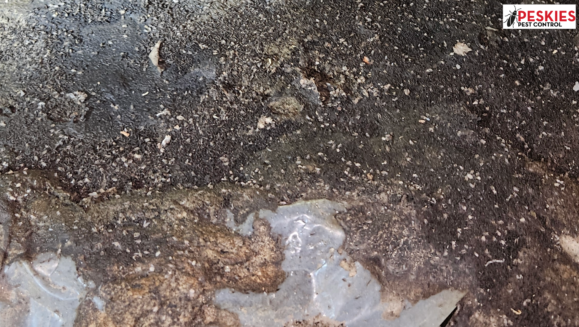
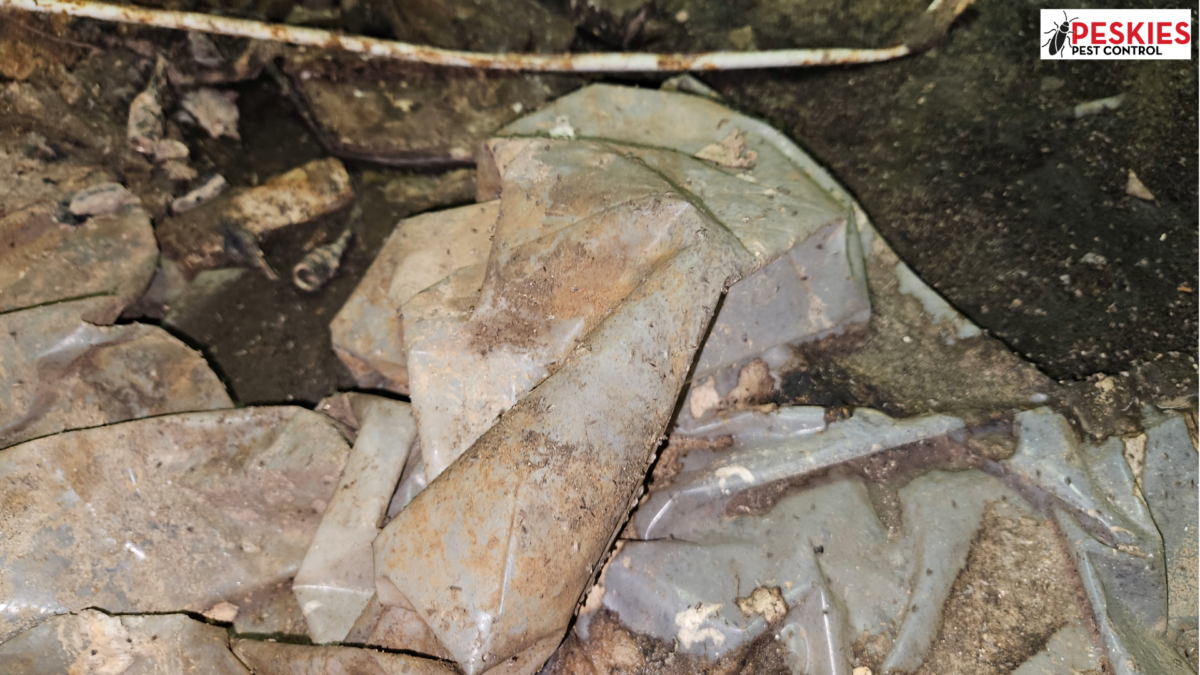
Travis shared what pest professionals see far too often when opening a crawl space access door: standing water, thick mud holes, and carved-out erosion pathways in the soil.
Chronic moisture beneath a home triggers severe structural problems:
Soil Erosion: Water flowing under the home slowly washes away supportive dirt.
Foundation Settling: As the soil shifts and erodes, foundations settle unevenly, causing shifts in framing, doors, and walls.
Foundation Cracks: Uneven settling creates fissures in concrete and masonry—some as thin as a credit card—which act as open doorways for subterranean pests.
Material Breakdown: Prolonged exposure to dampness deteriorates building blocks and masonry, turning structural elements brittle and powdery over time.
Why Crawl Space Drainage and Pest Control Are Inseparable
Excess moisture does not stay isolated outside; it transforms the area under your home into an ideal pest breeding ground. If you want effective pest prevention, you must control the environment that attracts them.
1. Subterranean Termites
Termites require continuous moisture to survive. Damp wood, wet foundation walls, and cracked masonry provide the exact environment subterranean termites need to build their mud tubes and feast on structural timbers undetected. Slabs and crawl spaces plagued by chronic drainage issues multiply your risk of an expensive termite infestation.
2. Moisture-Loving Insects
A flooded or humid crawl space quickly becomes an ecosystem for other destructive or nuisance pests:
Camel Crickets (Cave Crickets): These jumpy pests thrive in dark, humid basements and crawl spaces.
Cockroaches: Damp cavities offer an uninterrupted water source and shelter for large species like American cockroaches.
Flies & Mosquitoes: Any persistent puddle or standing water under a home becomes an active breeding site for insects.
Silverfish & Earwigs: Both require high humidity levels to survive and reproduce.
Once these populations grow large enough beneath your home, they inevitably make their way up through wall voids, utility penetrations, and flooring into your living areas.
The Landscaping Mistake That Makes Moisture Worse
Drainage issues don’t just stem from rainfall; they are often worsened by landscaping choices right next to the foundation.
Michael and Travis addressed a common question: Should you plant heavy shrubs or flower beds right up against your home’s exterior walls?
Their verdict? Keep dense vegetation away from your foundation.
Trapped Moisture: Thick foliage blocks sunlight and airflow, preventing the foundation from drying out after rain.
Biological Growth: The permanent shade and dampness encourage algae, mold, and mildew along siding and brick.
Root Intrusion: Large shrubs and trees (such as overgrown crape myrtles or oaks) can send thick roots against the foundation, cracking brickwork or shifting foundation walls.
Pest Bridges: Branches touching your exterior walls, eaves, or fascia boards serve as direct highway bridges for ants, roaches, and rodents to enter your attic and living spaces.
Steps Homeowners Can Take to Protect Their Property
You don’t need to be a general contractor to improve your home’s water management. Start with these essential maintenance checks:
Clean Your Gutters Regularly: Clogged gutters cause rainwater to spill directly over the sides, eroding the soil right next to your foundation and rotting soffits and fascia.
Extend Downspouts: Ensure downspouts discharge water at least 5 to 10 feet away from the foundation.
Inspect the Crawl Space Seasonally: Check under your home after heavy rainstorms to verify there is no standing water, muddy ruts, or active pooling.
Trim Vegetation Back: Maintain an open buffer zone between your foundation wall and any shrubs, mulch beds, or trees.
Consider Drainage Solutions: If your yard slopes down toward your home, look into swales, French drains, or sump pump systems to redirect surface water away before it collects underneath.
Protect Your Foundation from the Ground Up
Managing water runoff and crawl space humidity is not just about keeping your basement dry—it is one of the most effective ways to protect your home from costly termite damage and pest infestations.
If your home is dealing with persistent moisture, poor lot grading, or pest activity around your foundation, address the water first. A dry home is a pest-resistant home.