Podcast: Play in new window | Download
Subscribe: RSS
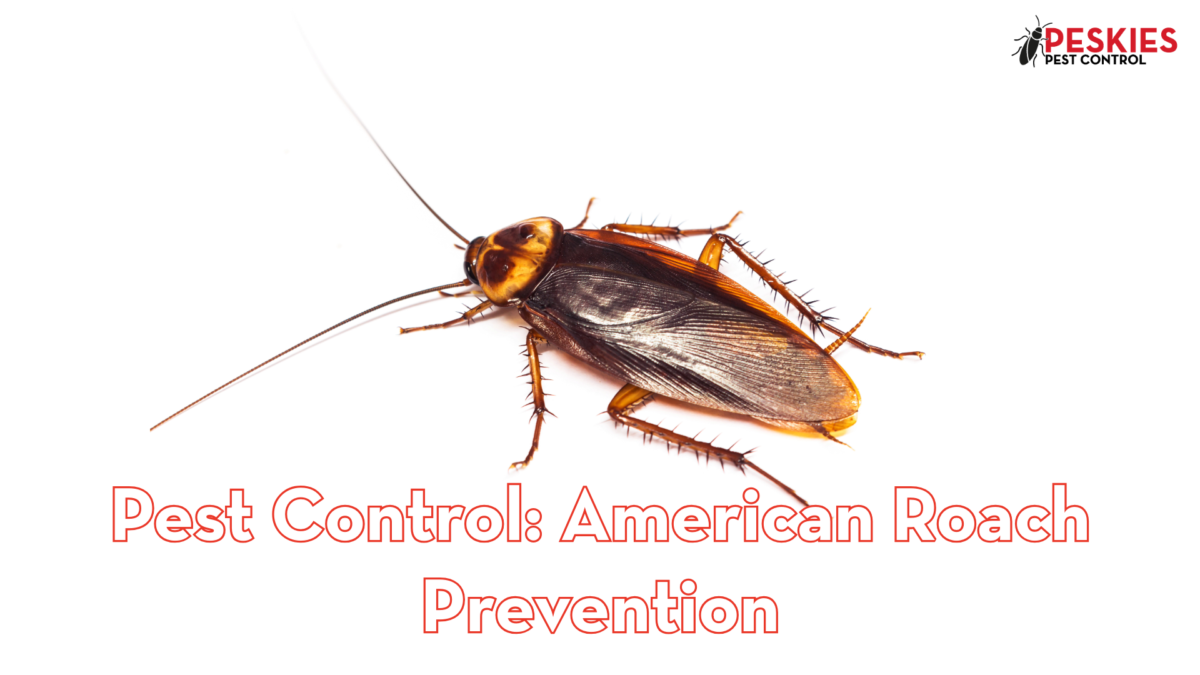
Welcome back to the Peskies Pest Control Podcast! In this episode, hosts Michael Wienecke and Travis McGowin take a deep dive into the world of the American cockroach—from wild stories about roach-infested stadium concrete covers to skin-crawling encounters inside tight crawl spaces. The duo breaks down why these giant pests prefer moist environments, how natural harborage areas like pine straw and firewood attract them, and the most practical steps you can take to keep them out of your home. Tune in to learn why “American roaches come low,” what risks they pose to your family’s health, and how simple moisture control can make all the difference.
Podcast Transcript:
Michael Wienecke: But today is the American roach. The longest, fattest, ugliest roach there is.
Travis McGowin: It probably doesn’t appreciate you calling it that, all of those mean things.
Michael Wienecke: Well, it’s funny because a long, long time ago I was being trained, and that’s how I was taught, that it had a, a large halo on its, on its head, and it was the biggest, just like, you know, Americans seem to be.
Travis McGowin: Yeah, I would say between them and Smokey Brown, they’re… Most of what I see between the two are, are about, you know, the same or similar in size. Um, but fun story. I saw, I was at the football field last night, um, calling the game, and then afterwards the stadium got cleaned up, and then I was able to leave. And as I go to get in my truck, I crank my truck up, and I turn my headlights on, and I go to drive away, and there’s like a big concrete, um, and almost looks like the entrance to a well, like, you know, you’d see on someone’s property, um, big concrete cover, big circular, um, piece of concrete going into the ground.
Michael Wienecke: Like a sewer?
Travis McGowin: And it could be. I mean, you know, we don’t have sewer out there, but, you know, we do have, I guess, septic system, what not. But…
Michael Wienecke: Outhouses?
Travis McGowin: We’re not that rural. Um, so I look at it and it’s moving. And I took a video, and I’ll have to show it to you, but there were roaches scrambling all over the outside and going into this, uh, piece of concrete. I’m talking about all over the place. It was actually pretty epic to see. So much so that I stopped and pulled my phone out and like videoed this.
Michael Wienecke: That’s nasty.
Travis McGowin: Why wouldn’t I?
Michael Wienecke: Well, and that’s why we always say, you know, American roaches come from below. You know, we see them a lot more in cellars, in basements, uh, wet, damp areas such as that.
Travis McGowin: Right. Yeah, there, there, uh, there’s a significant population, it appears, um, in that area now. So, yeah, it was kind of gross, actually.
Michael Wienecke: Well, um, are you, are we treating that area?
Travis McGowin: No, we don’t treat the school.
Michael Wienecke: Oh, I thought, I thought it was at the football field.
Travis McGowin: No, no. Well, I mean, it’s close to the high school stadium, but no, we don’t treat anything at the school. They have their own people they’ve, you know, low-bid contracted with.
Michael Wienecke: Well, all right then. Well, so let’s talk about how they enter your house in general. I mean, uh, we’ve talked about cracks, crevices, doors, windows, but, um, talk about some, uh, nature obstacles. Natural obstacles. There we go.
Travis McGowin: Na- natural obstacles?
Michael Wienecke: Yeah, some things that customers could do to help with, um, not letting American roaches in their house in the first place.
Travis McGowin: Right, so first thing that comes to mind for me is trying to ensure that none of the areas around your property are harborage areas or places that that they want to live or stay, you know? And what that could look like is maybe not having so much pine straw or mulch, uh, and especially high amounts of moisture around those as well. Um, but just, I think eliminating some of the harborage areas is a really great start.
Michael Wienecke: I mean, firewood around the house is a big one for me, cuz we see, we see that a lot. And I can just remember just as a kid watching, you know, like a stack of wood, you’d remove it for for the fire or something, and uh, roaches would come out of the woodwork. Literally. So, just for that, termites, I mean, ants. I mean, really, any kind of pest, you don’t want a bunch of wood that you’re gonna burn that probably was cut up and has some type of, uh, insect or larva already in it. So, want to keep that as far away as possible. Um, good seals on the windows, trees not touching the house. Um, that’s gonna be a big one, cuz again, those, those roaches can, they can fly, but I mean, they’re fairly weak flyers, so they’re gonna do more, more crawling. And then, of course, your, uh, water, water, na-, you know, um, like when it rains, your, your standing water issues and stuff like that. You don’t want any major saturated areas around your house all the time.
Travis McGowin: Right. Right. Yeah, all, all of those things are going to make it less—I’m not going to say they’re not going to show up at some point.
Michael Wienecke: Oh, they’re still gonna get in. That’s why we come.
Travis McGowin: Yeah, and, and especially, especially if you have wooded areas around your property, um, those, those types of things, you’re going to have these roaches around, especially here in the South and in, in Alabama. But eliminating all of those things will certainly help, and, and, and try to make the outside of your property a lot less attractive. I mean, you know, and to go even kind of deeper into making parts of the structure look less attractive, how many times, Michael, have you been in a crawl space inspecting a house and, you know, you look up and, you know, there’s a whole pile of roaches just on a beam or under the subfloor, and, you know, they, of course, you shine a light on them and they scurry away and what not? But how many times has that happened?
Michael Wienecke: Well, thank you for bringing that back up, cuz uh, it’s happened a lot. But there’s no bigger, um, I don’t know, anxiety for me than, than laying on a low crawl space, and then you, you start crawling and you get under under there, and you get to the subfloor right there, and there’s like 20 American roaches just probably a foot, foot and a half from your face, and you’re just inching, you’re like, “Please, please just don’t fall on me.” Um, but no, I mean, it’s, it’s mostly houses what at least what we see with the crawl spaces is, uh, moisture, doesn’t have a moisture barrier, isn’t encapsulated, isn’t getting getting good airflow. Um, you know, contrary to, uh, I guess, what, 1930s, 38s, 40s, something like that, just having holes at the bottom of your house is not enough to, uh, to dry out your home.
Travis McGowin: Well, no, I don’t think that, I don’t think that it has ever been enough to, to dry out your home, ever.
Michael Wienecke: Oh, no. No, and you’ll see people in the South, it’s funny, cuz they’ll, they’ll shove one side because they think one side’s getting more airflow, when really it’s just not enough period. I mean, it, it should be sealed and it, we—that’s a whole ‘nother discussion, but it should be sealed and a dehumidifier and all that kind of stuff, but anyway.
Travis McGowin: Right, exactly. Um, I just, I, I go in so many, and it’s funny from a crawl space perspective. You know, you, and you can attest to this, too. So, you’ll go into these crawl spaces, and you will either, it’ll be dry as a bone and dusty.
Michael Wienecke: Those are my favorite.
Travis McGowin: And then, like, you know, dust is floating everywhere, and if you weren’t going to wear some sort of respiratory protection, then it would be just, you know, pretty terrible. But…
Michael Wienecke: Always wear respiratory.
Travis McGowin: Right, right. But then, you go into some, like I went in one yesterday, and the yard slopes downward, and the back of the house, you know, faces that downward slope, and I got underneath it, and every bit of dirt under there is wet. Um, and fun fact, they had live termites last year before we treated, and they don’t anymore. But, but everything is sloped downward, and so all of this, you can see in the dirt where the water has ran, and so there’s, everything’s like saturated under there. It’s not standing water, but you can see that the water runs right up underneath the house, and it’s just a, just a nasty, damp, muddy mess under there, and you think roaches are not going to enjoy something like that?
Michael Wienecke: Oh, all the organic matter, all the water they, they need. I mean, just, just it’s a, uh, it’s a haven for them. Kind of a spa.
Travis McGowin: Right, absolutely. And, and they’re going to, they’re going to come down there, and they’re going to enjoy it.
Michael Wienecke: Well, and that’s just proper maintenance. And, and that’s one thing I’d love to bring a builder on here and talk to him about building construction, cuz I don’t understand, first of all, Birmingham alone, it just seems like every Birmingham home, older Birmingham home is in a flood zone, or just has flood issues or or water. Same with, you know, Bluff Park has some, too, but, you know, these older homes, I’m just surprised they didn’t think about drainage a little bit more.
Travis McGowin: Right. And, and there again, it’s, it’s amazing how many times you, you get under these and like I said, dry, wet, whatever, but, you know, everyone just assumes these, these vents are just adequate, and they’re not. I mean, yeah, they’re going to provide some airflow, but they’re not adequate. But, um, to, to move on, though, what are some potential, uh, drawbacks of having these American roaches in terms of, you know, danger to your family or, or what, what are some drawbacks?
Michael Wienecke: Well, they’re really scary, um, they’re huge, they fly. Uh, they can spread all kinds of diseases. I mean, these guys are in dumpsters, cellars, uh, you know, walking around some pretty nasty, uh, stagnant water. It just, I, biggest one is just gonna be your contamination of food. Um, that’s, that would have been my biggest concern, Salmonella.
Travis McGowin: Yeah, they, they’re gonna spread, you know, c- obviously, they’re, they’re low to the ground, um, they’re no strangers to filth or mess, so they’re gonna crawl through things that you don’t want associated with your surfaces in your house, your food supply.
Michael Wienecke: Kind of like that video you made, uh, behind the, behind the, uh, the strip mall.
Travis McGowin: Uh, yes. They’re gonna find stuff like that. For those who did not see that video, it was human feces, um, which was really, really nasty. But, you know, they’re, they’re going to find their way into these things, and then they’re going to find their way into your property. And if they crawl across your countertops, your tables, crawl into, you know, some food or something like that, they’re going to transfer germs, uh, which is a big risk potential for making you and your family sick. And not only that, but they’re gonna, you know, eat and salivate all over whatever they find. They’re gonna, you know, poop everywhere that they go, uh, they’re gonna leave eventually egg sacs wherever they’re, they’re at and attach them and leave them. And then you’re gonna have more roaches. So, I mean, it could just balloon to be a big health problem for your family.
Michael Wienecke: Yeah, and those egg sacs don’t go away once they hatch, either. They’re kind of glued in there, and it, it would take a scraper to get those things off, so.
Travis McGowin: Yeah, they, they, I don’t know how they plaster those things, but they, they really do a great job of making sure that they’re not going to go anywhere. Like…
Michael Wienecke: Yeah. And, and I’ll say this, too, about, uh, American roaches. You know, it’s, it’s, we don’t see many infestations of homes with American roaches. It’s, it’s just kind of like they’re seeing one every night, or two every night, or three every night, but they’re coming in and coming out, you know, and it’s, it’s just giving them a reason to come around that property, because we’ve got some, some rot or, um, you know, some drainage issues in the bottom basement or something like that.
Travis McGowin: Yeah, I, I will say that I, I can agree with you there, too, that, that I have never seen a massive infestation of them or anything in, in a house, typically. Um, I’m more likely to have seen them infesting like a detached garage or a shop.
Michael Wienecke: Commercial.
Travis McGowin: What?
Michael Wienecke: Commercial. Commercial properties. Yeah.
Travis McGowin: Oh, and years ago, uh, I used to have a detached storage building, and I remember going out there one night, I had to get something, and I opened the door, and on the inside of the door, it’s old, you know, wooden storage shed, but on the inside of the door, there were, you know, American roaches, and you saw them just kind of scurry out of sight, and they were just hanging out in that shed. But I’ve, I’ve never quite seen that. I’m sure somewhere it exists, but I’ve never quite seen that, um, anywhere else, you know, in terms of a house or something like that.
Michael Wienecke: Yeah, yeah. I’d agree with that. So, again, you know, keeping that along with getting a, a routine pest control, keeping that yard trimmed, keeping everything, uh, water well shed around the property, I mean, you’re going to be in really good shape doing that. And, of course…
Travis McGowin: Absolutely.
Michael Wienecke: Your nice, you know, door seals, window seals, cuz they can fly. I mean, it’s, it’s not uncommon to see them in an attic, but our, our kind of, the way we like to say it is American roaches come low, Smokey Brown roaches come high, and German roaches just come everywhere. So…
Travis McGowin: Yeah, and it’s funny, I remember I did a, uh, I did an initial knockdown ULV fog treatment on a house in Montgomery, and, uh, this was for German roaches, and, uh, I remember afterwards, after doing the fog treatment, I went back in a couple hours later, and, you know, of course there’s dead German roaches everywhere. And then I look in the kitchen floor, and there’s this one poor little American roach…
Michael Wienecke: He’s in the wrong place. He’s in the wrong place at the right time.
Travis McGowin: He was like, like, which one of these things was not like the other? And, uh, poor, poor fellow just was, you know, in the wrong house.
Michael Wienecke: Well, again, if you’re having an issue with, uh, with American roaches or any other pest problem, give us a call.