Podcast: Play in new window | Download
Subscribe: RSS
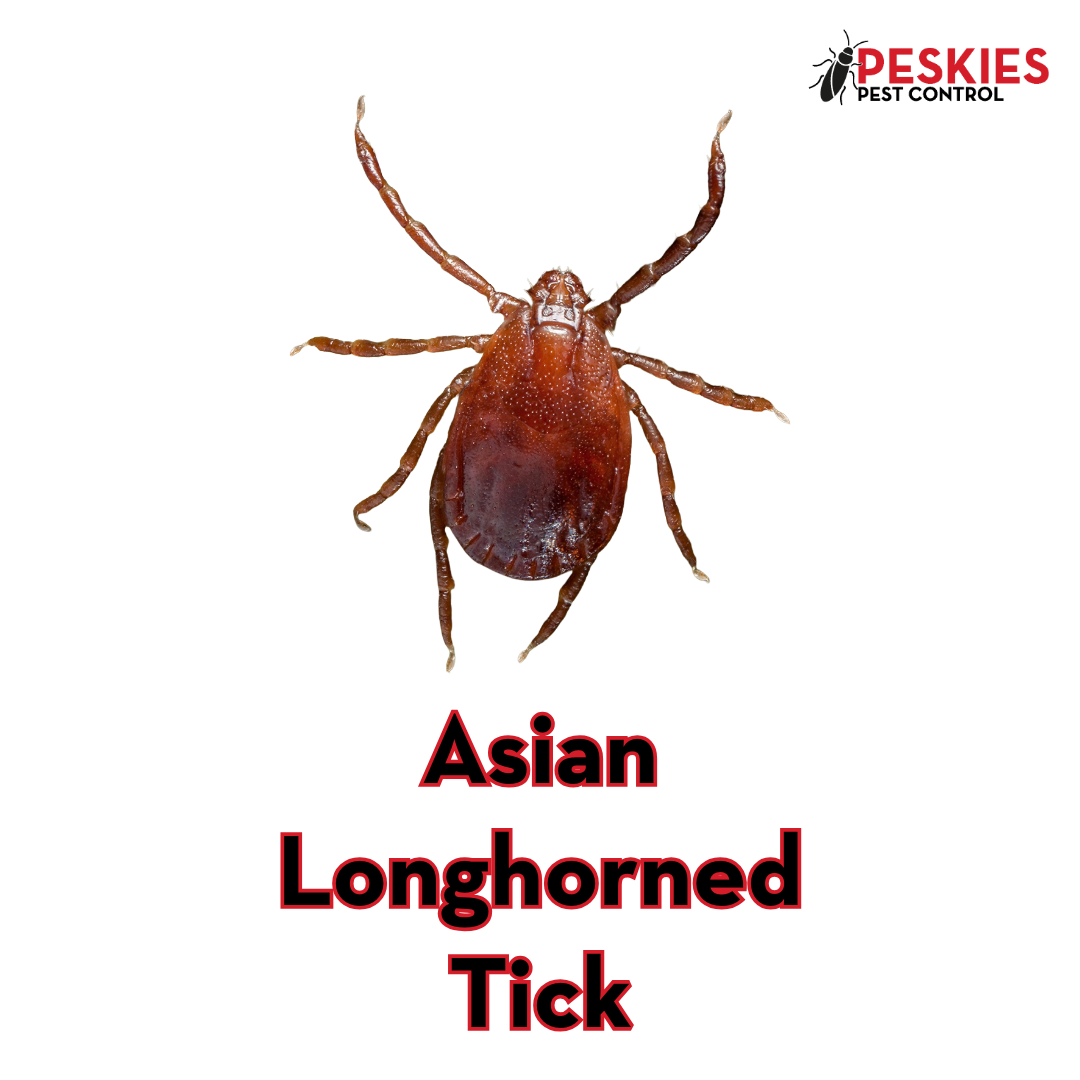
As summer temperatures hit a sunny 72°F, outdoor enthusiasts are hitting the trails to hike and bike. However, this beautiful weather also brings the rise of a dangerous parasitic creature: the Asian longhorned tick. In this episode of the Peskies Pest Control Podcast, Michael Wienecke discusses how these self-sufficient pests can breed without a mate and explores the best ways to protect your yard and family from the pathogens they carry.
Podcast Transcript:
Michael Wienecke:
“Hey, so it is summertime and everyone is out there running these trails, biking, hiking, enjoying this great weather we’re having right now, 72 and sunny. I myself am enjoying it, especially in my backyard. But with this beautiful weather also comes a parasitic creature and today we’re going to be talking about ticks.
I don’t like ticks, I don’t think anybody likes ticks. They embed in your skin and they can cause all kinds of diseases. We’ve got this new tick that is just sweeping the nation throughout the United States and it’s the Asian longhorned tick. So I kind of wanted to just bring some attention to that. I personally have not seen any in the field or any of that, but I just wanted to talk about it and it is really just kind of predicted to be a wave over this entire country.
So they’re bad, they cause disease. Biggest thing, you know, we’ve got Lyme disease in this country, Rocky Mountain spotted fever. They are pathogens or they can transfer pathogens back and forth from each other. That’s how they get them. So when they bite an animal, they will bite that animal with a disease, they’ll absorb that disease and then they can transfer it from animal to animal to animal. And unfortunately there are quite a few ticks in the United States that can already transfer that disease from human to animal and back and forth. So ticks are just all around pretty bad.
Another thing about the Asian longhorned tick is that it can breed without a mate. So it’s able to lay eggs without having to mate. That’s kind of scary because it can—it’s self-sufficient.
Let’s talk about some ways that you can help prevent ticks in your area. So just, you know, keeping your yard nice and trimmed, keeping a really manicured, you know, all the bushes need to be cut down, just kind of out of the way because that’s what those little guys do is they just hang out on the edge of those bushes and branches or whatever it may be and as you brush up against it, those guys are latching onto you and it’s very hard to even feel them crawling on you and then all of a sudden, you know, you’re figuring it out maybe the next day and you got a tick that’s already embedded in you and you have to remove that little guy. So that’s no fun.
So let’s talk about just some ways to prevent this tick over, you know, walking through these trails. Wear long sleeves, long pants, socks. If you want to spray a little bug spray on you, especially in the woods, definitely going to be helpful. Just try to keep yourself as covered up as possible and that’s going to prevent them mostly. And then of course just stay on the trails or stay away from the brush line and you should be okay.
So again just picking up debris, stuff around the house, cutting the grass, keeping it short, keeping, you know, the bushes away from the house, manicured and then just watching where you play. You know, if that doesn’t work, we treat for ticks so we’re going to treat the underside of the bushes kind of where those guys are hiding, where they’re along there and that’s going to prevent those guys from being able to multiply and continue to create tick after tick.
They are really good multipliers, thousands of ticks at a time. So if you’ve ever seen those deer hunting videos where they’re just crawling up the hunter’s legs, they can get really bad real quick. So again, if you need any help, give us a call (205) 470-8161. Thanks, have a great day.”