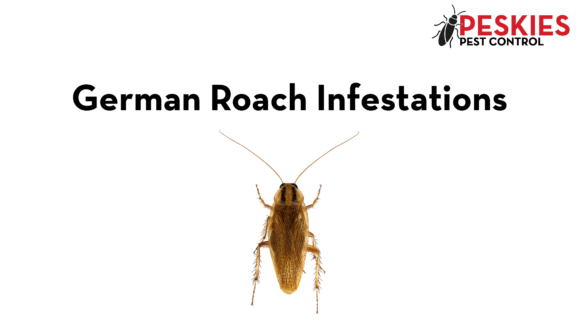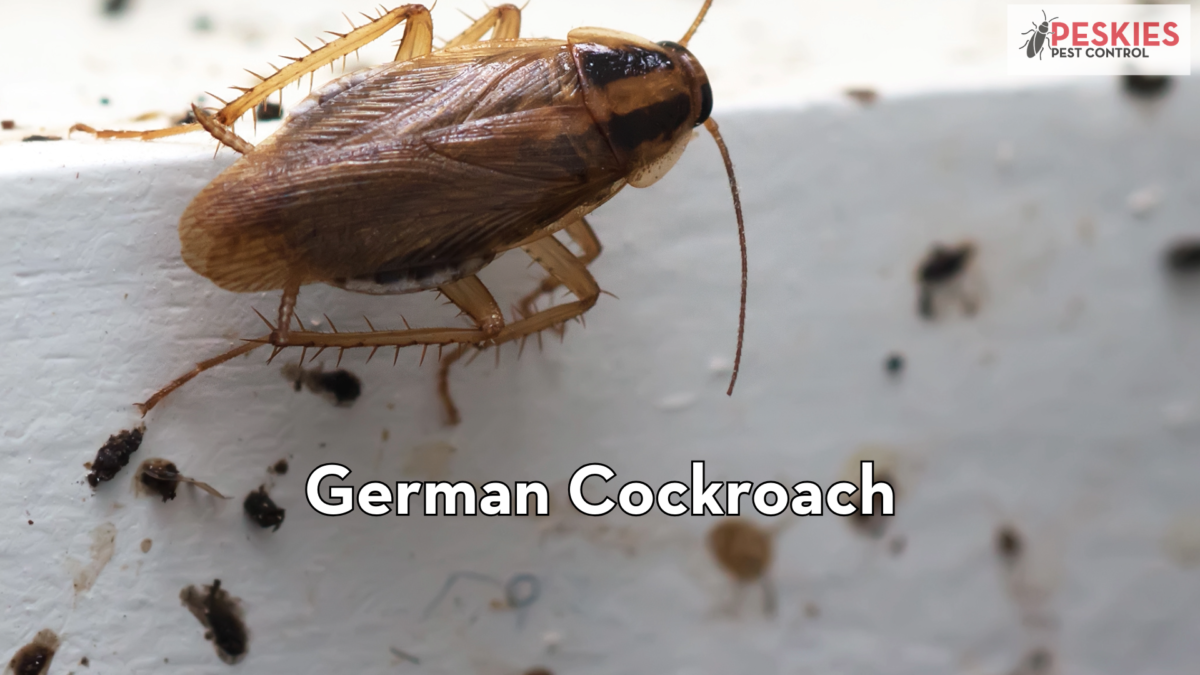
If you’ve ever spotted a light brown, fast-moving bug scurrying across your kitchen counter at 2:00 AM, you’ve likely felt that instant pit in your stomach. German cockroach infestations are among the most frustrating, resilient, and overwhelming pest issues a homeowner or business can face.
In a recent episode of the Peskies Pest Control Podcast, hosts Michael Wienecke and Travis McGowin sat down to break down real-world horror stories from the field, why popular DIY treatment methods backfire, and what it actually takes to achieve complete German Roach Infestation Control.
The Nightmare House Call: How Fast Roaches Take Over
To highlight how severe these situations can get, Travis shared a story from a residential call in Montgomery, Alabama. What was described on the phone as a minor issue in the living room and kitchen turned out to be an all-out takeover.
“When I tell you that there were German roaches in every single room, pretty much every single corner, any appliance, piece of electronics, any piece of furniture… it was the most significant one that I have ever walked into.” — Travis McGowin
Cases like this happen more often than you think. German roaches multiply rapidly—a single female can produce over 40 eggs per egg capsule. When left unchecked or treated incorrectly, a localized problem in a kitchen or bathroom quickly spreads to bedrooms, closets, and wall voids throughout the entire home.
Why DIY Sprays and Foggers Make the Problem Worse
When people spot roaches, their first instinct is usually to head to the store for bug sprays, repellents, or total-release foggers (“bug bombs”). However, both Michael and Travis agree that self-treating a German roach problem is the number one reason infestations explode.
Here is why DIY methods regularly fail:
Repellent Products Scatter the Pest: Generic store-bought sprays (like common pyrethroids) act as repellents. While they might kill a few bugs on contact for a quick win, they drive the rest of the population deeper into hiding. Instead of staying in the kitchen, the roaches scatter into adjacent rooms, wall voids, and furniture.
Insecticide Can’t Penetrate Egg Sacs: No pesticide on the market can penetrate a cockroach egg capsule. Even if a fogger clears out some adult roaches, the protected eggs will hatch days later, restarting the entire cycle.
Misuse in Crawlspaces & Living Areas: Setting off store-bought foggers inside homes or crawlspaces adds unnecessary chemicals into your living environment without actually reaching the deep cracks and crevices where roaches nest.
Myth Busted: "Having Roaches Means You're Dirty"
One of the biggest misconceptions about German cockroaches is that they only target dirty or unkempt homes.
While messy environments give roaches more food and hiding spots to thrive, cleanliness alone won’t keep them out. German roaches are excellent hitchhikers. You can easily bring them into a spotless home through:
Second-hand Appliances & Furniture: Refrigerators, microwaves, and couches bought from online marketplaces or rent-to-own shops frequently carry roaches or egg sacs.
Cardboard Shipping Boxes: Delivery packages sit in warehouses, delivery trucks, and transit hubs before arriving at your door, offering an easy transport route for pests.
Travel & Luggage: Hotel stays or visits to infested locations can lead to hitchhiking bugs hiding inside suitcases and bags.
The Hidden Health Risks of German Roaches
Beyond the gross factor, German roach infestations pose serious health risks to everyone in the household—especially young children.
Disease Transmission: Roaches crawl across unsanitary surfaces and then walk over countertops, utensils, and food, spreading bacteria like Salmonella.
Asthma and Respiratory Triggers: As roach populations grow, they shed exoskeletons, leave droppings, and create airborne particles. Breathing in these allergens can trigger severe asthma attacks and respiratory issues over time.
Asian Roaches vs. German Roaches: What’s the Difference?
During the episode, Michael recalled an encounter in Columbiana, Alabama, where a large amount of roaches suddenly swarmed out of exterior pine straw mulch. Because they looked identical to German roaches, it initially raised alarms—until they took flight!
While German roaches and Asian roaches look almost identical, they behave very differently:
| Feature | German Cockroach | Asian Cockroach |
| Primary Habitat | Indoors (Kitchens, bathrooms, appliances) | Outdoors (Mulch, pine straw, leaf litter) |
| Ability to Fly | Cannot fly | Strong flyers |
| Attraction to Light | Avoids light (Nocturnal) | Attracted to light |
How Professional Treatment Solves the Problem
Getting rid of a German roach infestation requires patience, expert knowledge, and specialized non-repellent products. A one-and-done “clean-out” spray isn’t enough.
A successful professional protocol includes:
Strategic Product Placement: Applying specialized baits and non-repellent insecticides directly into the cracks, crevices, and harborages where roaches live.
Growth Regulators & Baits: Using products that allow roaches to carry low-dose active ingredients back to the nest, eliminating the hidden population and stopping reproduction.
Follow-Up Services: Returning for scheduled treatments (typically every 30 days) to kill newly hatched nymphs before they reach reproductive age.
Need Help Regaining Control of Your Home?
If store-bought sprays aren’t working or you suspect a German roach problem in your home, don’t wait for it to spread. Trust a licensed professional who understands proper placement, family safety, and long-term elimination. Contact Peskies Pest Control today to schedule an inspection and get a customized treatment plan!