If you live in the Southeast, you are likely already familiar with the annual battle against backyard ants. You watch out for towering fire ant mounds to protect your kids and pets from itchy ankles. But this spring, a new, much more stealthy invader is making headlines—and it’s one you absolutely need to know about before you reach into your garden beds.
Meet the Asian needle ant.
While they aren’t technically brand new to the United States, their populations are currently exploding across the southeastern states. Pest control experts classify them as a “medical pest”—and for good reason.
How to Spot the Asian Needle Ant
Unlike fire ants, Asian needle ants are incredibly small (only about a fifth of an inch long) and don’t march in long, obvious lines to invade your kitchen. They are quiet foragers that prefer damp, shaded areas like rotting wood piles, pine straw, pavers, and deep mulch beds.
You can identify them by a few very specific, unusual traits:
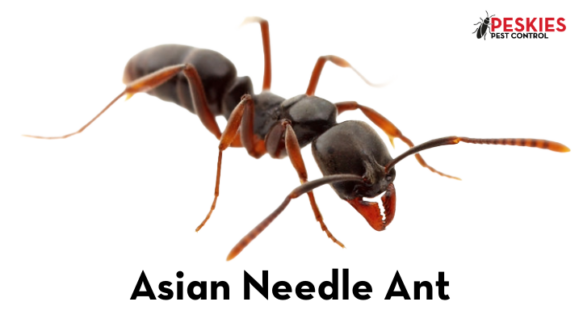
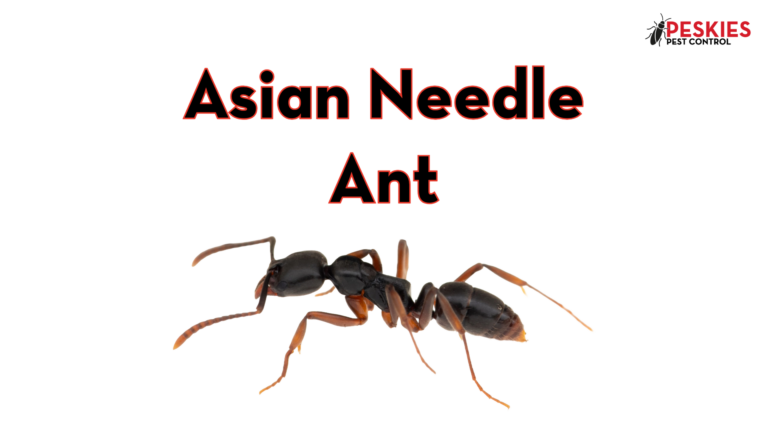
Distinctive Coloring: They have a shiny, almost entirely black body, but their legs and jaws (mandibles) are a striking orangish-brown color.
The “Two-Headed” Walk: They don’t use chemical scent trails to guide their colony to food. Instead, if an ant finds something good to eat, it will physically pick up another ant and carry it to the site. If you see what looks like a two-headed ant moving across a log, you are likely witnessing this unique “tandem carrying.”
No Grip: Weirdly enough, Asian needle ants cannot climb smooth surfaces. If you put one in a clean glass jar, it will slide right back down to the bottom like it’s on slick ice.
Why They are a Medical Threat
Asian needle ants are generally shy and won’t swarm aggressively if you walk near them. Instead, stings usually happen by accident—such as putting on a gardening glove where one is hiding, or leaning against a log.
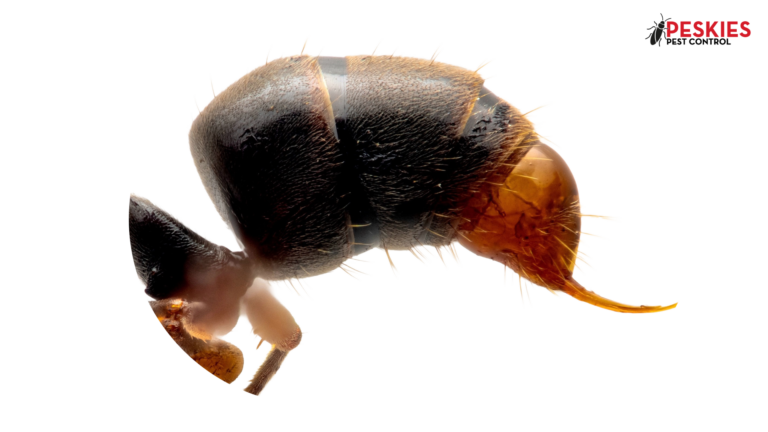
When they do strike, their sting has been described as feeling like “liquid fire” or a hot needle driving into the skin, causing severe localized pain that can last for hours.
The real danger, however, is that this specific ant carries an incredibly high rate of causing anaphylaxis (a life-threatening allergic reaction). Studies show that about 1% to 2% of the population is hypersensitive to their sting, with some victims losing consciousness within a minute. If you are already allergic to bees or wasps, you are at a much higher risk. If you are stung and experience dizziness, trouble breathing, or hives, call 911 immediately.
An Environmental Hijacker
It’s not just humans at risk; these invaders are devastating to the local ecosystem. Research from the University of Georgia shows that when Asian needle ants move into an area, native ant populations drop by roughly 60%.
While native ants act as “forest janitors” by turning the soil and spreading wildflower seeds, Asian needle ants do none of that. They simply dominate the area, even driving native termites out of their underground galleries and completely disrupting the local wildlife chain.
How to Protect Your Yard
Because our climate is warming, these pests are expected to continue moving further north. You can protect your property and your family by taking a few proactive steps:
Clean up yard debris: Remove old wood piles and thin out heavy, rotting layers of leaf litter or old mulch.
Eliminate excess moisture: Fix leaky outdoor spigots and eliminate standing damp zones, as these ants crave moisture.
Gear up: Always wear thick gardening gloves and closed-toe shoes when handling landscaping timbers or digging in soil.
Use protein-based baits: If you attempt to treat them, remember that standard sugar-based ant baits do not work on this species. They are strict protein-eaters.
Need Help?
If you think you’ve spotted an Asian needle ant colony in your yard, don’t risk a painful sting. Reach out to the professionals at Peskies Pest Control to safely evaluate and treat the infestation using commercial-grade protein baits. We also recommend contacting your local agricultural extension office so they can continue tracking the spread of this invasive species.
Stay safe, stay observant, and enjoy your summer pest-free!