As temperatures drop in late fall, insects and rodents don’t simply disappear—they go looking for a warm place to ride out the cold. Unfortunately, your heated home is at the top of their list.
Learning how to prevent winter pests before the deep freeze sets in can save you from costly damage and stressful infestations. Here is a look at the most common late-fall and winter invaders, along with practical ways to keep them outside where they belong.
Common Late-Fall and Winter Pests to Watch For
Mice and Rats: Rodents are the ultimate winter squatters, seeking warmth, nesting materials, and easy food inside walls, attics, and basements. A mouse can squeeze through an opening the size of a dime, chewing through drywall and electrical wiring along the way.
Overwintering Insects (Stink Bugs & Asian Lady Beetles): These bugs gather on sun-warmed exterior walls in the fall before slipping into tiny cracks around windows and siding to hibernate. While they don’t reproduce indoors, they often wake up on mild winter days and wander into your living spaces. (Tip: Vacuum them up rather than squishing them, as stink bugs and lady beetles release foul odors and fluids that stain.)
Spiders: Many spiders enter homes in autumn looking for mates, while others follow their food source—the overwintering insects already hiding in your basement, garage, or attic.
Cockroaches: Roaches aren’t built for freezing weather and actively seek out warm, humid spaces like kitchens, bathrooms, and laundry rooms. They also frequently hitchhike indoors inside cardboard boxes and grocery bags.
Silverfish and Centipedes: Both thrive in damp, dark areas like basements and under sinks. Silverfish feed on starchy items like book bindings, wallpaper paste, and stored clothing, while centipedes move in to hunt the other bugs hiding in your home.
5 Proven Ways to Prevent Winter Pests
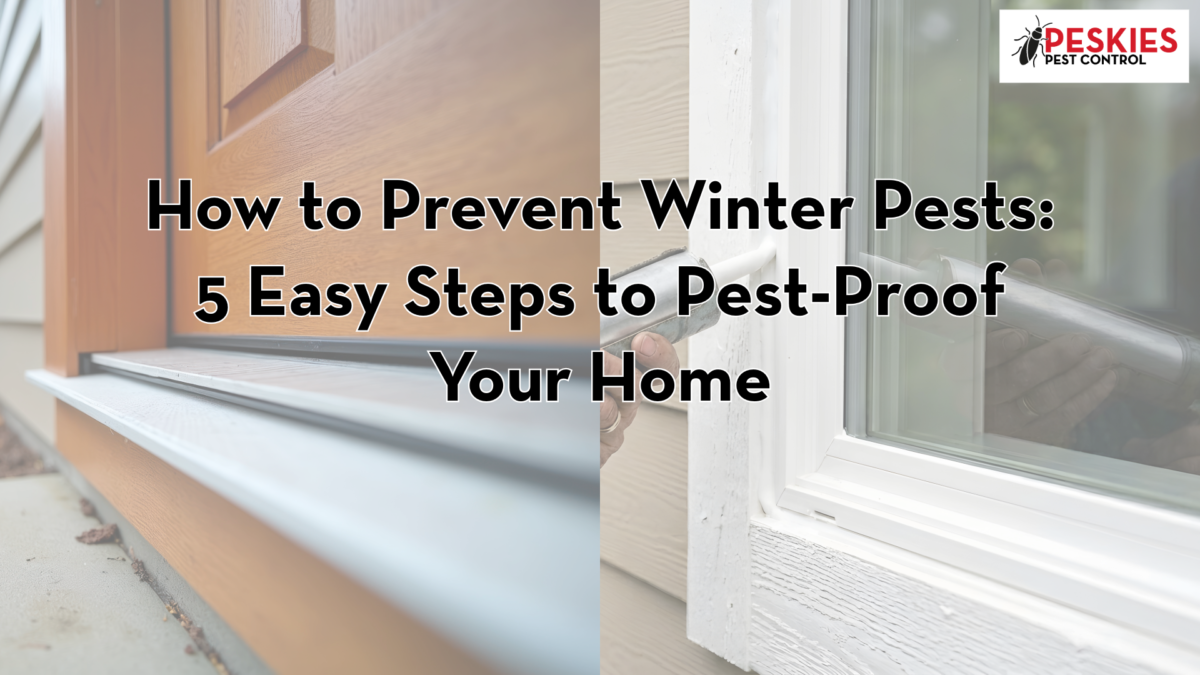
Seal Cracks and Entry Points: Walk the perimeter of your home and seal gaps in the foundation, siding, and around utility pipes. Use silicone caulk for small cracks and stuff larger openings with coarse steel wool before sealing, as rodents cannot chew through it.
Upgrade Door Sweeps and Weatherstripping: Check for daylight peeking under exterior doors—especially the garage door—and install heavy-duty door sweeps. Replace worn weatherstripping and repair any tears in window and attic vent screens.
Clear the Exterior Perimeter: Store firewood at least 20 feet away from your house and elevated off the ground. Trim back tree branches and shrubs touching your siding, as these act as natural bridges for rodents and insects.
Eliminate Food and Moisture Sources: Transfer pantry staples, pet food, and birdseed into airtight glass or hard plastic containers. Fix leaky pipes under sinks and run a dehumidifier in damp basements to deter moisture-loving pests like roaches and silverfish.
Switch to Plastic Storage Bins: Replace cardboard boxes in your attic, basement, or garage with sealed plastic totes. Cardboard provides ideal shelter for spiders and cockroaches—and rodents love shredding it for nesting material.
A single weekend of late-fall maintenance goes a long way. By taking steps now to pest-proof your home’s exterior, the only guests you’ll have to worry about this winter are the ones you actually invited.


Pingback: How to Pest-Proof Your Home for Fall and Winter - Peskies Pest Control