Common Pest Questions and Answers
Understanding the biology and habits of common pests is the first step in effective integrated pest management. Below are technical insights into the pests most likely to impact your property.
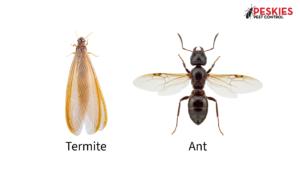
Q: What are the primary body differences between termites and ants?
A: While often confused by homeowners, termites and ants belong to entirely different insect orders. Termites have straight antennae, a broad waist, and wings of equal length. Ants possess “elbowed” antennae, a constricted (pinched) waist, and two pairs of wings of unequal length. Identifying the species correctly is critical, as treatment protocols for wood-destroying organisms differ significantly from general ant control.
Q: Is it true that cockroaches can survive decapitation?
A: Yes, for a limited time. Cockroaches have an open circulatory system and breathe through small openings in each body segment called spiracles. They do not depend on the head for respiration. A decapitated cockroach can survive for approximately one week, eventually succumbing to dehydration because it lacks the mouthparts necessary to ingest water.
Q: Do earwigs actually crawl into human ears to lay eggs?
A: This is a persistent urban legend with no basis in biological fact. While earwigs (Dermaptera) prefer dark, moist environments, they do not seek out human ears, nor do they lay eggs inside them. Their name likely originates from an old European superstition or the fact that their hind wings, when unfolded, resemble a human ear. In reality, earwigs are sub-social insects that lay their eggs in soil or under leaf litter, where the mothers provide significant maternal care—a rarity in the insect world. While any small insect could technically enter an ear canal by accident, earwigs pose no specific behavioral threat to humans.
Q: How does lunar illumination (moonlight) affect mosquito activity?
A: Research indicates that mosquito activity increases significantly during a full moon—by as much as 500% in some studies. Mosquitoes are visual hunters; the increased ambient light allows them to navigate and locate hosts more efficiently over greater distances.
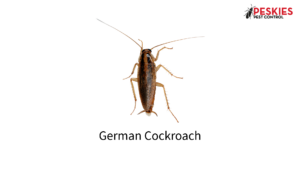
Q: What are the health risks associated with a cockroach infestation?
A: Beyond being a nuisance, cockroaches are significant vectors for disease. They carry bacteria such as Salmonella and E. coli on their legs and bodies, contaminating food surfaces. Furthermore, their cast-off skins and waste contain allergens that are a primary trigger for asthma and respiratory distress, particularly in children.
Q: Why are bed bugs exceptionally difficult to eradicate without professional intervention?
A: Bed bugs (Cimex lectularius) have evolved a high resistance to many common over-the-counter pyrethroid insecticides. They are also photophobic, hiding in microscopic crevices during the day. Their ability to enter a state of diapause (dormancy) allows them to survive for months without a blood meal, making professional-grade heat treatments or specialized chemical applications necessary for total elimination.
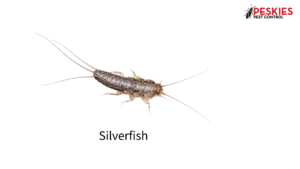
Q: Do silverfish pose a threat to property?
A: Yes. Silverfish consume carbohydrates, specifically starches and dextrin. This makes common household items like book bindings, wallpaper paste, photographs, and natural fibers (silk and cotton) primary targets. While they do not bite humans, their feeding habits can cause irreversible damage to personal archives and library collections.
Technical Fast Facts
Structural Impact: A mature subterranean termite colony can consume approximately one pound of wood every few weeks, often going unnoticed until structural damage is significant.
Reproduction: A single female German cockroach and her offspring can produce several hundred thousand offspring in a single year under optimal conditions.
Professional Consultations
DIY methods often fail to address the root of an infestation. If you are identifying these behaviors in your home, a professional inspection is required to protect your property’s value and your family’s health.
